As an investor who values decentralization and fiscal sovereignty, I’ve watched El Salvador’s "Bitcoin experiment" with a mix of admiration and caution. But this week, the headlines aren't about the "Orange Pill"—they’re about the Inter-American Development Bank (IDB).
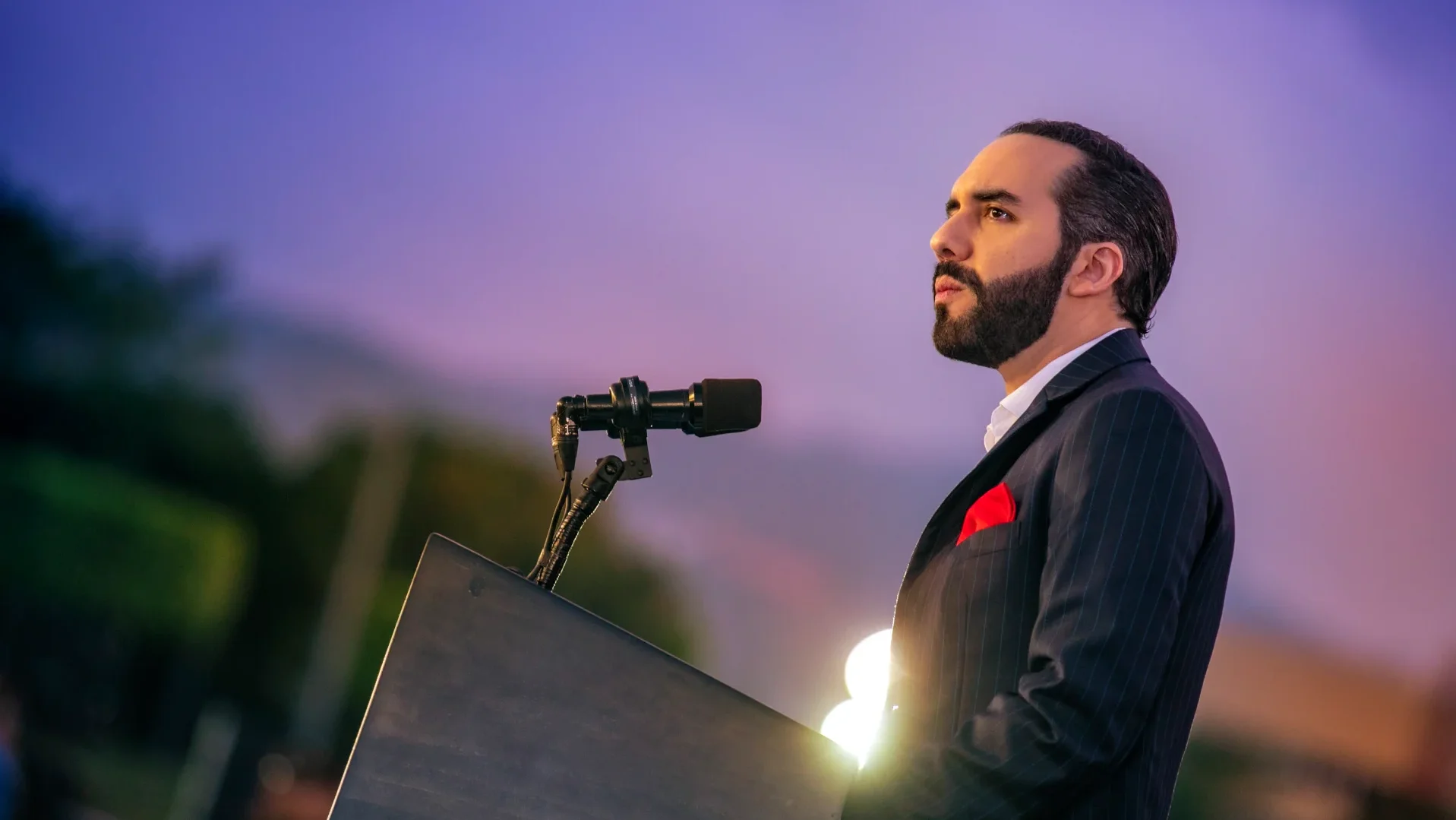
On Wednesday, IDB President Ilan Goldfajn met with President Nayib Bukele and confirmed a massive $1.3 billion funding package for 2026. This isn't just a routine loan; it’s a significant injection of traditional capital into a nation that has spent the last few years trying to break free from the traditional financial system.
The Capital Injection: Housing, Tourism, and... Dependency?
According to the latest reports, this $1.3 billion will be funneled into strategic "growth engines": housing, tourism, health, and education. Goldfajn described the meeting as "constructive," emphasizing a strengthened alliance under the El Salvador CRECE program.
From a business perspective, the logic is sound. Tourism—fueled by "Surf City" and Bitcoin curiosity—is booming. Housing is a desperate need for a growing economy. But as someone who keeps a close eye on debt-to-GDP ratios, I have to wonder:
A Professional Perspective: Is this a strategic move to build the infrastructure needed for a Bitcoin-powered future, or is El Salvador simply trading one form of "legacy" debt for another?
A Long History of "Handshakes"
To understand the weight of this $1.3 billion, we have to look at the track record. The IDB has been El Salvador’s "silent partner" since 1961, providing over $4 billion in total funding over the decades.
We’ve seen this play out before:
- 2002: The IDB approved $27.9 million for a "social peace" program following the country's turbulent years.
- September 2025: A $170 million loan was green-lit to boost urban infrastructure in Santa Tecla and La Libertad.
- November 2025: Another $195 million was approved for the modernization of El Salvador International Airport (AIES).
| Year | Program / Focus | Amount |
|---|---|---|
| 2002 | Social Peace Program | $27.9 Million |
| 2025 (Sept) | Urban Infrastructure & Services | $170 Million |
| 2025 (Nov) | International Airport Modernization | $195 Million |
| 2026 (Est.) | Housing, Tourism, Health, Education | $1.3 Billion |
The "Slightly Worried" Macro Outlook
While $1.3 billion in development capital sounds like a win, we must consider the "multilateral" strings attached. The IDB projects that by the end of this strategy period, El Salvador’s debt to the bank could account for nearly 50% of its multilateral debt.
As a crypto holder, I’ve always seen El Salvador as a beacon of financial independence. Yet, this recent surge in borrowing suggests that even the most "sovereign" nations still find themselves tethered to the legacy banking institutions of Washington.
Consider these questions:
- Why is the "Bitcoin Country" doubling down on traditional multilateral debt just as its digital experiments should be maturing?
- Does this massive credit line suggest that the much-anticipated "Volcano Bonds" aren't providing the liquidity the nation actually needs?
- Is this a partnership of equals, or is the IDB ensuring it remains a primary stakeholder in El Salvador’s economic destiny?
What to Watch in 2026
The 2026 package is ambitious. We should keep a close eye on the disbursement schedule and whether these funds are used to build genuine productive capacity or if they simply serve to bridge fiscal gaps.
The alliance between Bukele and Goldfajn is clearly tightening. Whether that leads to a prosperous, hybrid economy or a return to old-world financial reliance remains to be seen. I’m not panicking yet—but I am watching the balance sheet very, very closely.